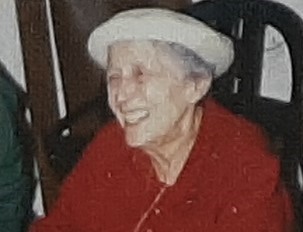
Simone and Henri Chilly
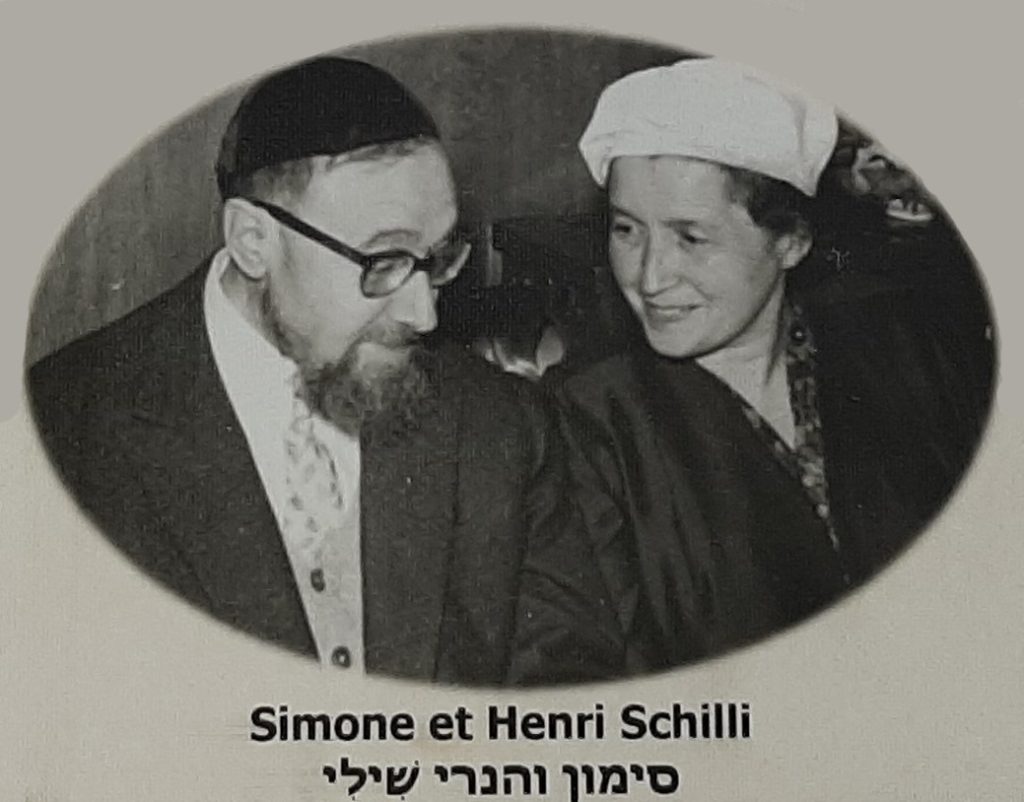
Henri Schilli was born in 1906 in Offenburg, Germany, into a modest, traditional Jewish family. He and his younger sister, Mariette, spent their childhood in Obernai, Alsace.
In 1912, their father died, leaving their mother to raise them alone until her death from the Spanish flu in 1918.
At the age of twelve, Henri was placed in the “Les Cigognes” orphanage in Haguenau, to which he remained deeply attached. His sister, Mariette, spent her youth at a girls’ orphanage in Strasbourg before becoming a nurse at the Rothschild Hospital in Paris.
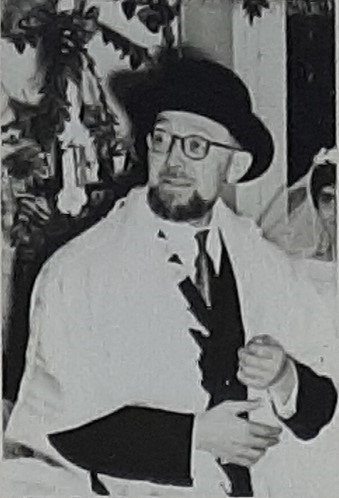
After his studies at the Rabbinical School, Henri became a rabbi in 1931 and in February 1933 married Simone Lehmann, originally from Belfort and descended from a long line of rabbis. Together, they had three daughters (Nicole, Danièle, and Françoise), and later three sons (Jean-Pierre, Joël, and Jacques).
Mobilized as a military chaplain in September 1939, he arrived in Montpellier (in the unoccupied zone) in June 1940 and immediately organized the large Jewish community, which included many refugees from Alsace-Lorraine, Belgium, and Luxembourg.
Rabbi Schilli regularly visited the camps in the region where thousands of foreign Jews were interned, managing to free many people, particularly children, whom he hid and saved in conjunction with the OSE (Oeuvre de Secours aux Enfants) and Jewish resistance networks, such as the “Sixième” (Sixth) and the Garrel network.
After the war, Henri Schilli participated in the reconstruction of the Jewish community in France, particularly in the field of education, which was his priority. Along with others, he was instrumental in the creation of the Yabné school in Paris, taught weekly at the Gilbert Bloch leadership training school in Orsay, and became the rabbi of the Eclaireurs Israélites de France (French Jewish Scouts), of which he had been a founding member in the 1920s.
He also cared for many children of deportees taken in by the OSE (Oeuvre de Secours aux Enfants), striving to bring comfort to these destitute orphans and to instill in them Jewish values.
In 1951, he was appointed Chief Rabbi and director of the Rabbinical School of France, where, until his death in 1975, he trained and influenced an entire generation of rabbis and teachers through his teaching and personality.
In his roles as rabbi and educator, Henri was invaluablely supported throughout his life by Simone, who always warmly welcomed those Henri brought to her home, kept an open table, and had a kind word for everyone.
After her husband’s death, Simone Schilli volunteered for twenty-five years at the Shabbat Office, an organization that helps Jews who wished to avoid working on Shabbat and holidays.
Henri and Simone Schilli would surely be very proud to have one of the Negba Houses in Israel, which they loved so dearly, named after them.